
Virginian Senior Living Explores the Link Between Learning and Brain Strength
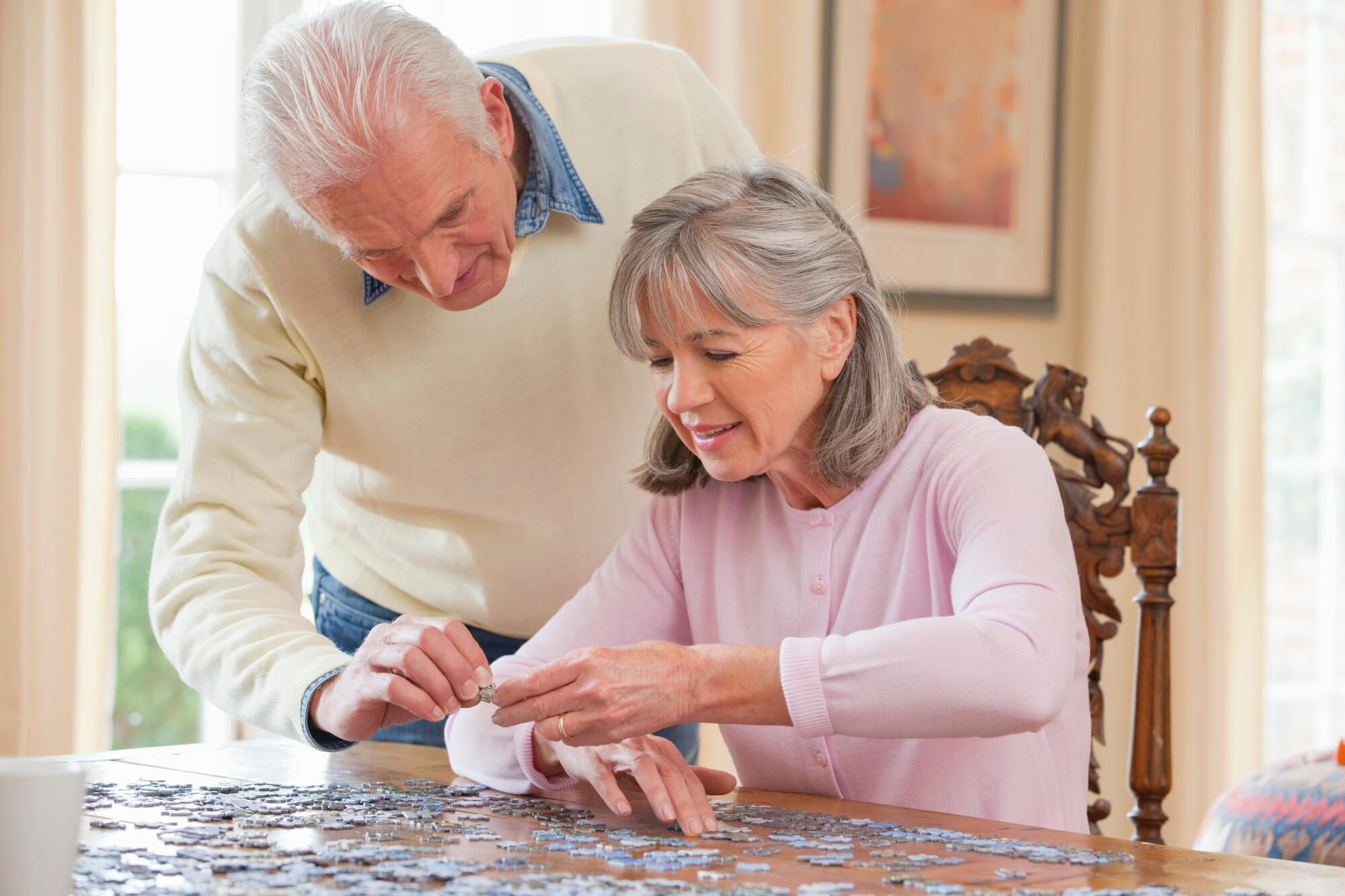
Exercise supports balance and mobility, but mental workouts and lifelong learning can also protect memory and brain function. In Virginian senior living, clubs, creative workshops, social learning, and improved sleep help seniors stay engaged and emotionally resilient.
Most people in Richmond, VA, understand the importance of physical fitness for seniors. Without the physical strength that comes from regular exercise, their balance suffers, and eventually, seniors will struggle to get around because of impaired mobility.
But brain engagement can be just as important as getting regular physical activity. A study by George W Rebok et al. found that seniors who did mental fitness exercises still exhibited measurable benefits years later. So, senior learning is crucial for brain health.
Mental Stimulation Through Lifelong Learning
While it's certainly easier to learn new skills and knowledge in your youth, that doesn't mean you can't pick things up during retirement. Learning new skills is more than a way to pass the time.
According to the National Institute on Aging, almost any type of learning has a positive effect on mental fitness and senior wellbeing. All that matters is that the content provides a reasonable challenge.
Here are a few ways that seniors can pick up new skills and interests in support of healthy aging:
- Learning a musical instrument is a challenging, but rewarding hobby; it also becomes an engaging social activity when you play along with others.
- Learning another language allows seniors to discover a whole new world of media and connection; watching daytime TV becomes an exciting challenge when you're watching a foreign broadcast.
- Strategy games like chess take a lifetime to master, but retirement gives seniors plenty of time to become competent strategists.
- Learning basic tech skills, like how to use a smartphone or laptop, helps seniors stay independent and connected, and it's easiest when practiced in small weekly sessions.
- Practical classes like cooking, baking, or gardening build confidence through visible progress, and swapping recipes or plant cuttings turns learning into a shared routine.
For seniors unsure where to start, there are plenty of opportunities for learning in Virginian senior living. These communities are all about creative living and senior enrichment. The helpful staff and community members are ready to help new residents find ways to fill their calendars.
Residents can join new clubs and workshops for official learning programs with a clear schedule. Or, they might get talking to new residents who'd love the chance to share their skills and knowledge.
Creative Workshops
A community of seniors can take part in a variety of creative workshops that encourage brain wellness and creative thinking. Seniors often feel their life lacks purpose, which can cause depression and anxiety. However, they can address these feelings by engaging in art.
Painting or drawing is one accessible option, and senior communities often host guided classes where people get together to work on similar projects. Since many seniors get involved in artistic pursuits during retirement, these classes are almost always beginner-friendly.
Painting and other visual arts don't just provide the satisfaction of a job well done. When seniors try to express their feelings through a visual medium, it can help them process difficult life events such as bereavement or loss of purpose in retirement. Similarly, writing offers mental health benefits, particularly when it's autobiographical.
It's not uncommon for seniors to feel unsatisfied with their life achievements, but by writing memoirs or journals, they can take stock of their accomplishments. Often, they are surprised by how many positive things they have to write about, which can significantly reduce symptoms of depression and anxiety.
Learning a musical instrument is also a great way to improve mental health. Nothing quite raises the spirits like getting together with a few friends and playing some nostalgic tunes.
It doesn't need to be a virtuoso performance; even just a few simple chords, books, and words can be incredibly satisfying, especially when your music brings joy to other residents.
Frequently Asked Questions
How Can Social Learning Improve Brain Health?
According to Jodi L. Southerland et al., seniors who opt for aging in place rather than entering a senior community might initially stand by their choice. But as time goes on, loneliness and isolation start to creep in.
Seniors often face barriers to socializing, like having their driving license revoked or friends passing away. Getting together for regular workshops or classes can be a great way to broaden social circles and experience mental enrichment.
In working life, it's easy to get meaningful interaction most days, but without work driving social engagement, seniors will need to make a more active effort to meet people.
For seniors with mobility problems or no driving license, senior living communities can help with making daily social connections.
How Does Sleep Affect Brain Power?
According to MedlinePlus Medical Encyclopedia, seniors can experience sleep disturbances and other sleep-related difficulties, even those who've never had problems before. Seniors might struggle to attend social meetings and learn new skills, and often that comes down to not getting enough good-quality sleep.
Sleep is about more than reducing fatigue; it's also essential for cognitive support. During deep sleep, the brain transfers the information from the day to long-term memory, enabling long-term recall. Seniors who don't get enough sleep might feel like it's impossible to hold on to new knowledge, but often, with improvements in sleep schedule, it's possible to start retaining information again.
Sleep isn't just about preserving long-term memory. It also helps seniors deal with their feelings. Older adults sometimes experience more mood volatility, including irritability and heightened anxiety. These changes can be mistaken for dementia symptoms, but they may simply stem from chronic deficits in deep, restorative sleep.
Discover Supportive Virginian Senior Living
Learning new skills can improve mental wellness and resilience for seniors, and it's also a great way to improve social contact and reduce loneliness and isolation. Seniors can get involved through Virginian senior living, where there's always a new activity to take part in.
Here at Virginian, residents enjoy mouthwatering homestyle meals three times per day that are prepared with fresh ingredients and served restaurant-style with attentive tableside service.
Contact us today to learn more about our community and to schedule a tour.