
Benefits of Marriage: How Connection Supports Healthy Aging
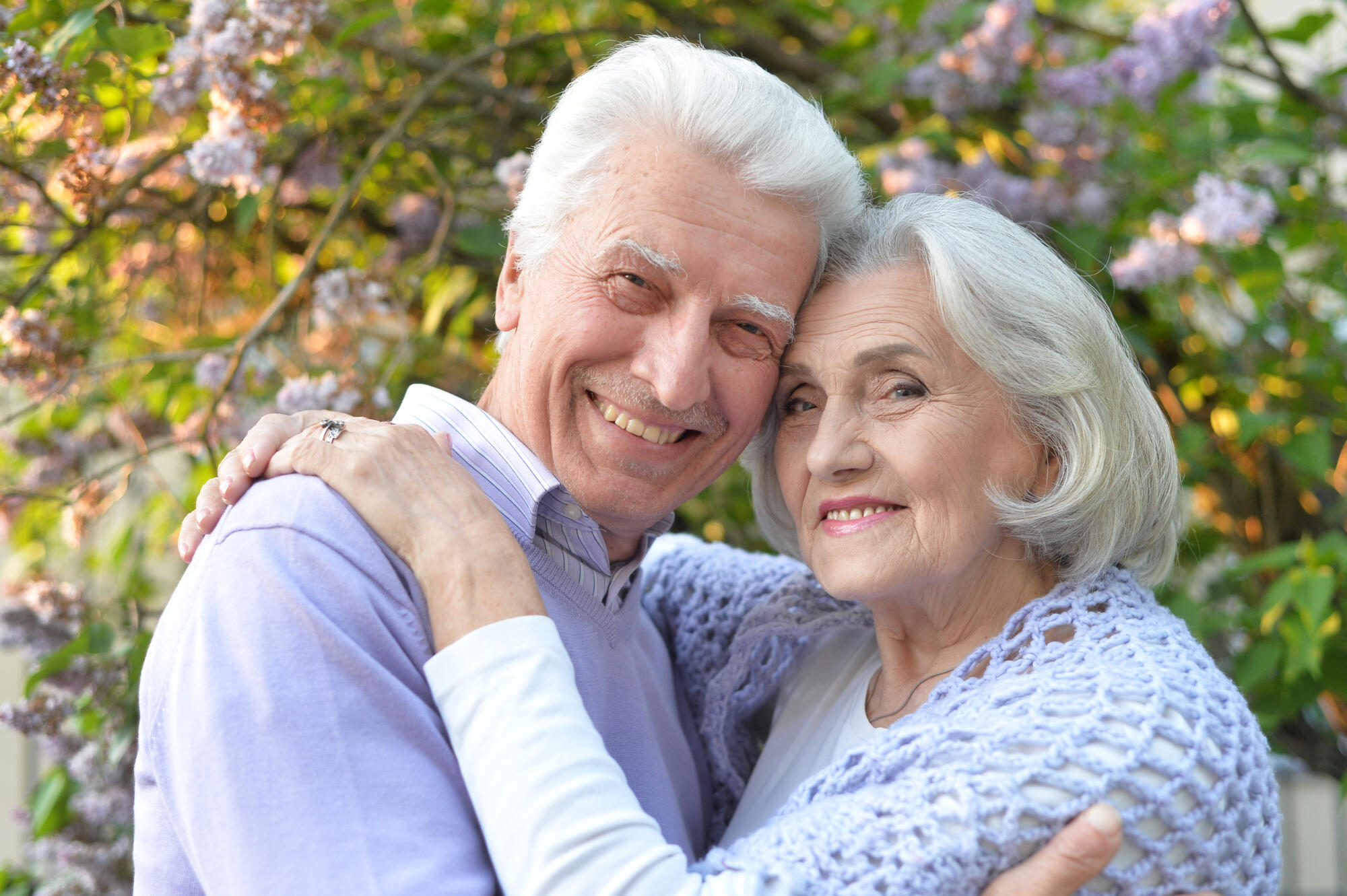
There are countless benefits of marriage. Marriage can support a longer, healthier, and more meaningful life. Shared love, daily companionship, and emotional security help adults feel supported as they age.
According to Bowling Green State University, over 57% of Americans 65 and older are currently married.
Marriage offers daily companionship that reduces loneliness. Regular interaction helps people feel seen and valued. Many older adults find peace in knowing someone truly understands them.
Emotional closeness also supports better habits. Couples often encourage each other to eat well, stay active, and rest when needed. Read on to dive deeper into the benefits of marriage in Richmond, VA.
How Does Marriage Support Physical and Emotional Health?
Marriage often supports both body and mind. A caring partner can notice changes in mood or energy early. Gentle encouragement helps address concerns before they grow.
Emotional support plays a large role in emotional wellness. Sharing worries can ease stress. Feeling heard often lowers anxiety and improves sleep.
Physical health also benefits from partnership. Couples often remind each other about appointments or medications. Support during recovery helps reduce fear and frustration.
Marriage and health are often linked through daily choices. Shared meals can lead to balanced eating. Walking together adds gentle movement to the day.
Many couples feel safer knowing help is close. The sense of security reduces ongoing stress. Lower stress supports the following:
- The heart
- Memory
- The immune system
Why Do Married Seniors Feel Less Lonely Over Time?
Loneliness can affect people at any age. Marriage often reduces isolation through daily interaction and shared history.
Conversation builds comfort. Even simple talks during meals help maintain emotional balance. Silence feels easier when shared with trust.
Senior relationships often offer deep understanding. Years together create shared memories and private language. Familiarity can feel grounding during uncertain moments.
Marriage also provides emotional continuity. Life changes can feel less overwhelming with a partner present. Support helps people adapt to the following:
- Retirement
- Health shifts
- Loss
Connection in later life becomes stronger when trust already exists. Long-term partners often feel comfortable asking for help. Comfort can protect mental well-being.
Can Marriage Improve Quality of Life As We Age?
Quality of life often depends on daily satisfaction. Marriage can bring joy through shared moments and mutual care.
Small routines help structure the day. Morning coffee together or evening walks offer comfort. Predictable routines can reduce stress.
Shared decision-making also matters. Couples face challenges together instead of alone. Joint problem-solving builds confidence and resilience.
Marriage supports identity as people age. Feeling valued as a partner strengthens self-worth. Purpose grows through caring for another person.
Healthy aging often includes social connection. Marriage provides a steady source of interaction. Consistency can support both happiness and mental clarity.
How Marriage Encourages Emotional Stability
Emotions can shift with age and life changes. Marriage offers a steady emotional anchor.
A trusted partner can offer reassurance during difficult days. Listening without judgment builds safety. Emotional safety supports long-term emotional wellness.
Shared humor also plays a role. Laughter helps release tension. Light moments can improve mood and outlook.
Marriage allows space for vulnerability. Expressing fears or hopes feels easier with trust. Such openness can reduce emotional burden.
The Role of Partnership in Daily Motivation
Motivation can change with age. Marriage often provides gentle encouragement.
Partners remind each other to stay engaged. Activities feel more enjoyable when shared. Even chores feel lighter together.
Celebrating small achievements matters. Couples often recognize progress that others miss. Recognition builds confidence.
Marriage also helps maintain routines. Consistency supports both mind and body. Regular schedules support the following:
- Sleep
- Meals
- Movement
Marriage also supports a sense of belonging as people age. Feeling part of a partnership helps reduce fear about the future. Shared planning brings reassurance.
Couples often talk through goals, preferences, and worries together. Their shared understanding eases emotional strain. Marriage encourages patience and empathy.
Long-term partners often learn how to support each other during hard days. Emotional steadiness grows through experience.
Feeling accepted just as you are helps confidence remain strong. Daily kindness, even in small forms, supports lasting connections and personal well-being.
Frequently Asked Questions
Does Marriage Really Improve Health in Older Adults?
Marriage can support better well-being through daily companionship. Emotional support often helps reduce stress.
Reduced stress supports both mental and physical balance over time. Shared routines also encourage healthier habits.
Is Marriage Still Beneficial Later in Life?
Marriage can offer meaningful benefits at any age. The following things matter a great deal throughout adulthood:
- Companionship
- Shared decision-making
- Emotional security
Many people value having a trusted partner during life changes.
Can a Strong Marriage Help With Mental Health?
A supportive marriage can help protect mental health. Open communication allows emotions to be shared safely. Feeling understood often reduces anxiety and sadness.
What If One Partner Faces Health Challenges?
Marriage often provides steady support during health changes. Partners can help manage routines and offer comfort. Shared responsibility can reduce fear during difficult periods.
How Does Marriage Affect Social Life in Aging?
Marriage often supports social connections. Couples may stay more engaged through shared activities or friendships. Social engagement supports happiness and mental clarity.
Can Marriage Support Healthy Routines in Aging?
Marriage often helps maintain daily routines. Shared schedules encourage regular meals, rest, and movement. Consistency supports overall balance and well-being.
Does Emotional Closeness Change With Age in Marriage?
Emotional closeness often deepens with time. Long-term partners develop trust and understanding. Their closeness supports emotional security and comfort in later years.
There Are Countless Benefits of Marriage
The benefits of marriage go way beyond companionship. Marriage provides emotional support, shared purpose, and daily stability. Love, care, and understanding remain powerful tools throughout life.
Have you and your spouse been wondering if it's time to move into a Richmond senior living community? Contact Virginian A Provincial Senior Living Community so we can chat about how we can help you and your partner thrive. We treat our residents to fun events each day, including bingo, Wii bowling, pub trivia, fitness classes, poetry cafe, and so much more.